High Protein Foods List: 30 Best Sources for Muscle Building, Fat Loss & Daily Energy (With Grams) – Simple, Practical Guide
Protein doesn’t need to be complicated. If you want to build muscle, lose fat, or keep steady energy through the day, the right protein sources make it easier. Below is a clear, no-nonsense list of the 30 best high-protein foods with approximate grams per serving, plus simple tips to use them well.
Think of this as your everyday guide—quick to scan, easy to act on, and flexible for any diet.
What Makes This Special
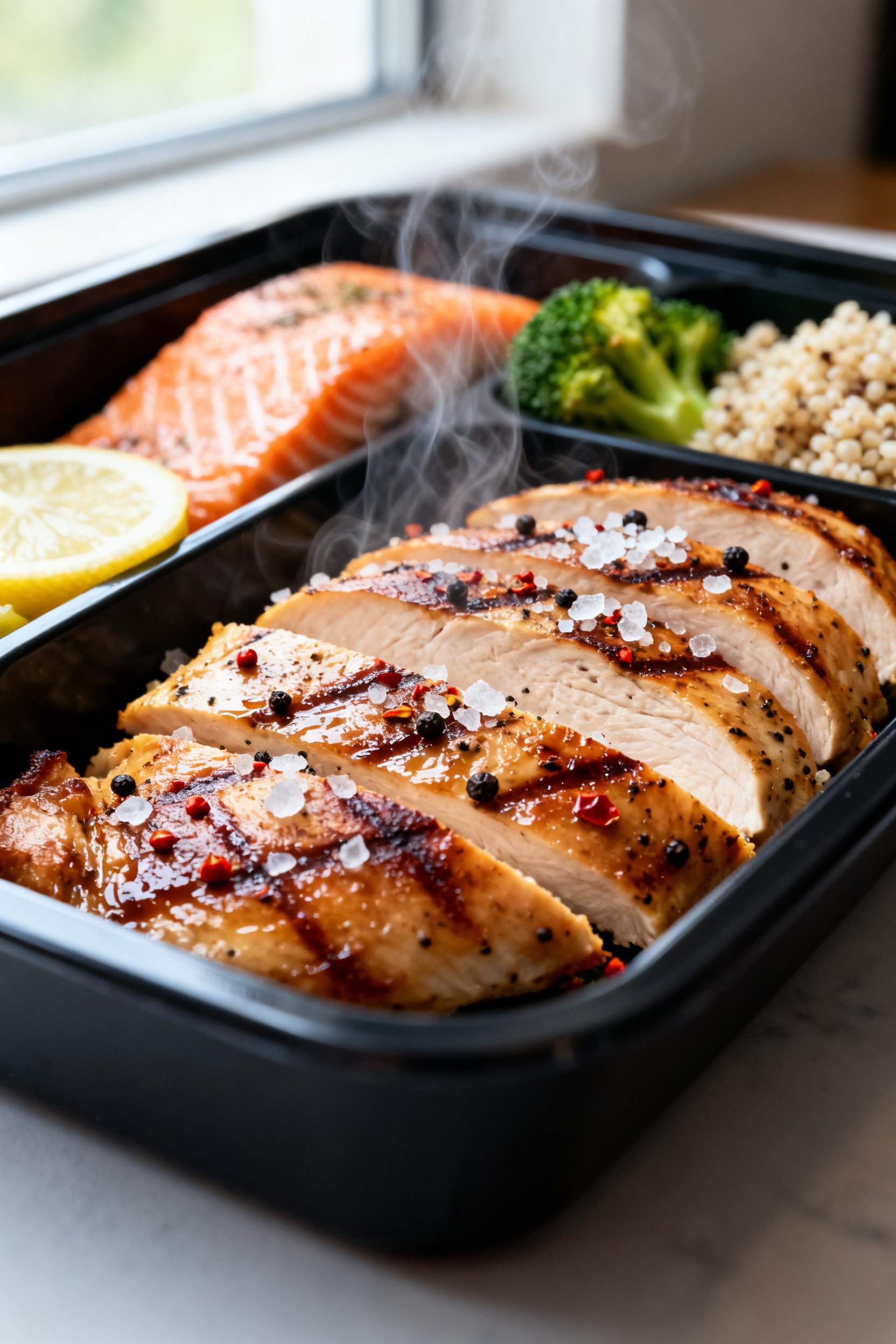
This list focuses on foods you can find almost anywhere, with protein grams per typical serving to help you plan meals fast. You’ll see a mix of animal and plant options, lean choices for cutting, and hearty ones for bulking. It’s balanced, realistic, and built for busy people.
No fancy rules—just foods that work.
Ingredients
- Chicken breast (cooked, skinless): ~31g protein per 100g
- Turkey breast (cooked): ~29g per 100g
- Lean ground beef (90–95% lean, cooked): ~26g per 100g
- Sirloin steak (cooked): ~25g per 100g
- Pork tenderloin (cooked): ~26g per 100g
- Salmon (cooked): ~22g per 100g
- Tuna (canned in water, drained): ~24g per 100g
- Sardines (canned, drained): ~23g per 100g
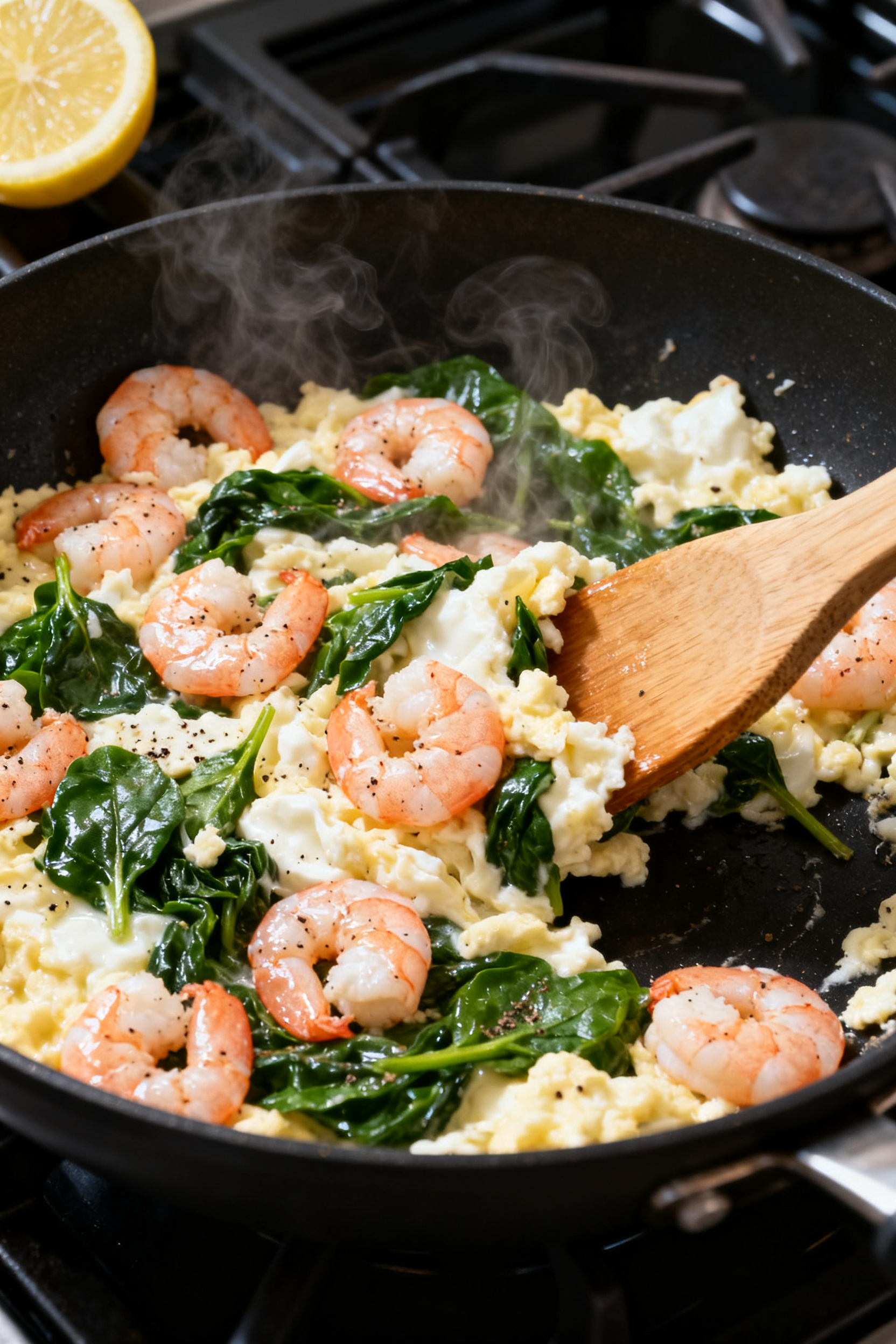
- Shrimp (cooked): ~24g per 100g
- Eggs: ~6g per large egg
- Egg whites: ~10g per 100g (about 3 egg whites)
- Greek yogurt (nonfat, plain): ~10g per 100g (~17g per 170g cup)
- Cottage cheese (low-fat): ~11–12g per 100g
- Skyr (plain, nonfat): ~11g per 100g
- Milk (cow’s, 1%): ~8g per 240ml cup
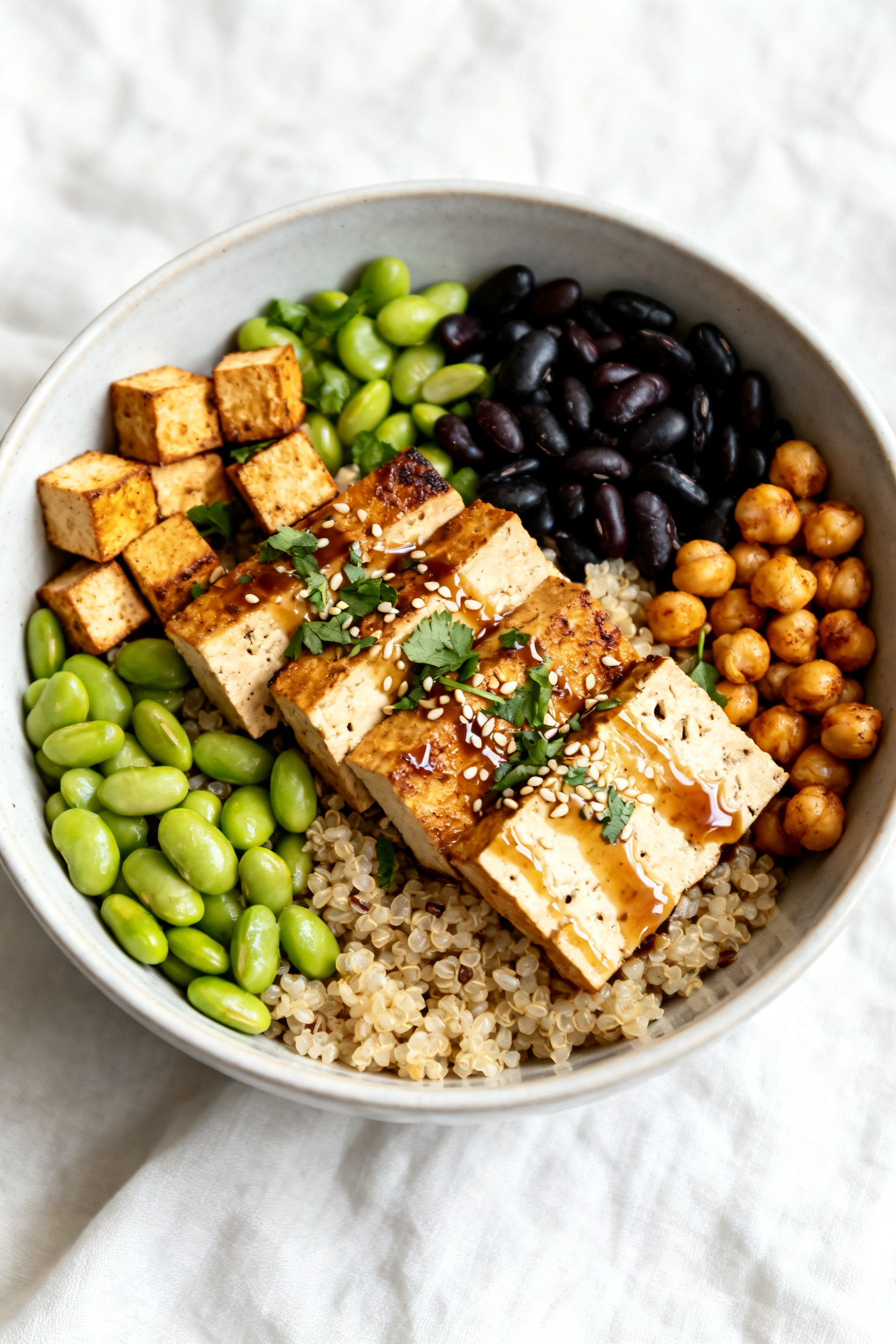
- Tofu (firm): ~12g per 100g
- Tempeh: ~19g per 100g
- Edamame (cooked): ~11g per 100g
- Lentils (cooked): ~9g per 100g
- Chickpeas (cooked): ~8–9g per 100g
- Black beans (cooked): ~8–9g per 100g
- Kidney beans (cooked): ~8g per 100g
- Quinoa (cooked): ~4g per 100g (~8g per cup)
- Peas (cooked): ~5g per 100g
- Seitan (wheat protein): ~25g per 100g
- Peanut butter: ~8g per 2 tbsp (32g)
- Almonds: ~6g per 28g (1 oz)
- Pistachios: ~6g per 28g (1 oz)
- Hemp seeds: ~9–10g per 3 tbsp (30g)
- Whey or plant protein powder: ~20–25g per scoop (varies)
Step-by-Step Instructions
- Pick your target: Muscle gain, fat loss, or steady energy. This sets your protein range: 0.7–1.0 g per lb of body weight for building, 0.6–0.8 g/lb for fat loss, or 0.5–0.7 g/lb for maintenance and energy.
- Choose your base proteins: Select 5–7 foods from the list you actually like and can afford. Include at least one dairy or soy option if you’re vegetarian.
- Plan your servings: Aim for 25–40g protein per meal, 2–4 times per day.Use the grams listed to build each plate.
- Balance with carbs and fats: Pair lean proteins with veggies and whole grains for energy, or add healthy fats (avocado, olive oil, nuts) for satiety.
- Mix plant proteins: Combine legumes with grains (e.g., beans + rice, hummus + whole-wheat pita) to round out amino acids.
- Use quick options: Keep canned tuna or salmon, Greek yogurt cups, cottage cheese, cooked chicken, and protein powder on hand for busy days.
- Season simply: Salt, pepper, garlic, lemon, soy sauce, chili flakes, or herbs can turn any protein into a fast, tasty meal.
- Prep once, eat often: Cook proteins in batches (bake chicken, roast salmon, boil eggs, simmer lentils) and portion into containers.
- Hydrate and space it out: Spread protein through the day and drink water. It supports digestion and recovery.
- Adjust weekly: If you’re not recovering well or staying full, raise protein by 10–20g per day. If meals feel heavy, lower slightly and add more vegetables.
Keeping It Fresh
- Fridge: Cooked meats, tofu, tempeh: 3–4 days.Cooked beans and lentils: 3–5 days. Dairy cups: follow the date, usually 5–7 days after opening.
- Freezer: Cooked chicken, beef, fish, and beans freeze well for 2–3 months. Label with the date and portion size.
- On-the-go: Use insulated lunch bags with ice packs.Choose shelf-stable options like tuna pouches, jerky, or protein bars when needed.
- Food safety: Reheat to steaming hot. Don’t leave cooked proteins at room temperature for more than 2 hours.
Why This is Good for You
- Muscle building: Protein supplies amino acids to repair and grow muscle, especially with resistance training.
- Fat loss: High-protein meals increase fullness and preserve lean muscle, which helps maintain a higher metabolism.
- Daily energy: Protein slows digestion, steadies blood sugar, and curbs crashes between meals.
- Aging well: Adequate protein supports bone health, immune function, and strength over time.
Pitfalls to Watch Out For
- Only eating fatty proteins: Salmon and nut butters are great, but calories add up. Balance with lean picks like chicken breast, shrimp, egg whites, or Greek yogurt.
- Too little fiber: If you increase protein without vegetables, beans, or whole grains, you may feel sluggish.Add greens and legumes.
- Relying on powders alone: They’re convenient but don’t replace whole foods. Aim for most protein from real meals.
- Not salting or seasoning: Bland food kills consistency. Smart seasoning makes high-protein eating enjoyable.
- Ignoring hydration: Higher protein needs more fluids.Aim for pale yellow urine as a simple check.
Alternatives
- Dairy-free: Swap Greek yogurt/skyr for soy yogurt, coconut yogurts with added pea protein, or silken tofu smoothies.
- Vegetarian: Lean on eggs, dairy, tofu, tempeh, seitan, lentils, beans, edamame, and protein pasta.
- Vegan: Build meals with tempeh, tofu, seitan, lentils, chickpeas, black beans, edamame, hemp seeds, quinoa, and pea or soy protein powder.
- Gluten-free: Skip seitan; use tofu, tempeh (check labels), meats, fish, eggs, dairy, beans, and gluten-free grains like quinoa and rice.
- Low-budget: Eggs, canned tuna, dry beans, lentils, peanut butter, and whole chickens are cost-effective staples.
FAQ
How much protein do I actually need per day?
A practical range is 0.6–1.0 grams per pound of body weight depending on goals. Aim higher if you lift weights or are in a calorie deficit, and lower if you’re sedentary or maintaining.
Is animal protein better than plant protein?
Animal proteins are usually complete and highly bioavailable. Plant proteins can be just as effective if you eat a variety and get enough total protein.
Mixing legumes, grains, soy, and seeds works well.
Can I have too much protein?
Most healthy adults tolerate higher protein well. If you have kidney disease or other medical conditions, talk to your doctor. For most people, staying within the ranges above is safe and effective.
What are the best high-protein snacks?
Greek yogurt cups, cottage cheese, jerky, tuna pouches, hard-boiled eggs, edamame, protein shakes, and a handful of almonds or pistachios are reliable options.
What’s the best time to eat protein?
Spread it evenly across the day.
A serving after training supports recovery, but total daily protein matters most.
Do I need protein powder?
No, but it’s convenient. Use it to fill gaps on busy days or after workouts. Whole foods should still be your base.
Which proteins are lowest in calories?
Egg whites, shrimp, white fish, chicken breast, turkey breast, nonfat Greek yogurt, and tofu are lean, high-protein, and calorie-light.
Which proteins help with omega-3s?
Salmon, sardines, mackerel, and trout provide protein plus omega-3 fats that support heart and brain health.
What if I’m lactose intolerant?
Choose lactose-free milk, aged cheeses in small amounts, or lactose-free yogurts.
Soy, pea, and almond-based products are solid alternatives.
How do I hit protein on a vegan diet?
Center meals on tempeh, tofu, seitan (if not gluten-free), beans, lentils, edamame, quinoa, and hemp seeds. Add a scoop of pea or soy protein when needed.
Wrapping Up
High-protein eating doesn’t require strict rules—just smart choices and a little planning. Use the 30 foods above to build meals you enjoy, hit your protein targets, and support your goals.
Keep it simple, season well, and be consistent. That’s how you get stronger, leaner, and more energized day to day.