Best High Protein Vegetarian Foods: 18 Plant-Based Options to Hit Your Protein Goals – Simple Guide for Everyday Eating
Plant-based and protein-packed can go hand in hand. If you’re aiming to build muscle, feel fuller longer, or balance your meals, there are plenty of vegetarian choices that deliver serious protein. This guide walks you through the top options and exactly how to use them in your routine.
You’ll get a practical “shopping list,” easy steps to build high-protein plates, and smart tips to keep things fresh. Let’s make protein simple, satisfying, and meat-free.
Why This Recipe Works
This isn’t a single recipe—it’s a flexible blueprint for building high-protein vegetarian meals from 18 reliable foods. You’ll learn how to pair ingredients for complete amino acids, boost flavor without extra fuss, and keep prep quick. The plan focuses on everyday items you can find anywhere, with easy swaps for different tastes and budgets.
The result: meals that are high in protein, balanced, and easy to stick with.
Shopping List
- Tofu (firm or extra-firm)
- Tempeh
- Edamame (shelled, frozen)
- Lentils (brown, green, or red)
- Chickpeas (canned or dry)
- Black beans (or pinto/kidney beans)
- Green peas (frozen)
- Quinoa
- Farro or barley
- Greek yogurt (or high-protein plant yogurt)
- Cottage cheese (or a thick, high-protein plant alternative)
- Eggs (if ovo-vegetarian)
- Seitan (if you tolerate gluten)
- Nutritional yeast
- Peanut butter (or almond butter)
- Hemp seeds
- Chia seeds
- Pumpkin seeds (pepitas)
- Optional flavor boosters: soy sauce or tamari, olive oil, lemon, garlic, smoked paprika, cumin, chili flakes, fresh herbs
Step-by-Step Instructions
- Pick your protein base: Choose 1–2 from tofu, tempeh, lentils, chickpeas, black beans, edamame, seitan, eggs, or Greek yogurt/cottage cheese. Aim for 20–30 grams protein per meal by combining items if needed.
- Add a grain: Use quinoa, farro, or barley to round out the plate and complement legumes. Quinoa is a complete protein and cooks in about 15 minutes.
- Pack in veggies: Add at least 2 cups of mixed vegetables.Peas add extra protein. Go for colorful options like spinach, bell peppers, broccoli, and tomatoes.
- Use healthy fats and seeds: Sprinkle hemp, chia, or pumpkin seeds for extra protein and crunch. Add a spoon of peanut butter to sauces or oatmeal for a creamy boost.
- Season well: Flavor makes consistency easy.Try soy sauce + garlic + lemon for tofu, smoked paprika + cumin for beans, or nutritional yeast for a cheesy note.
- Simple cooking methods:
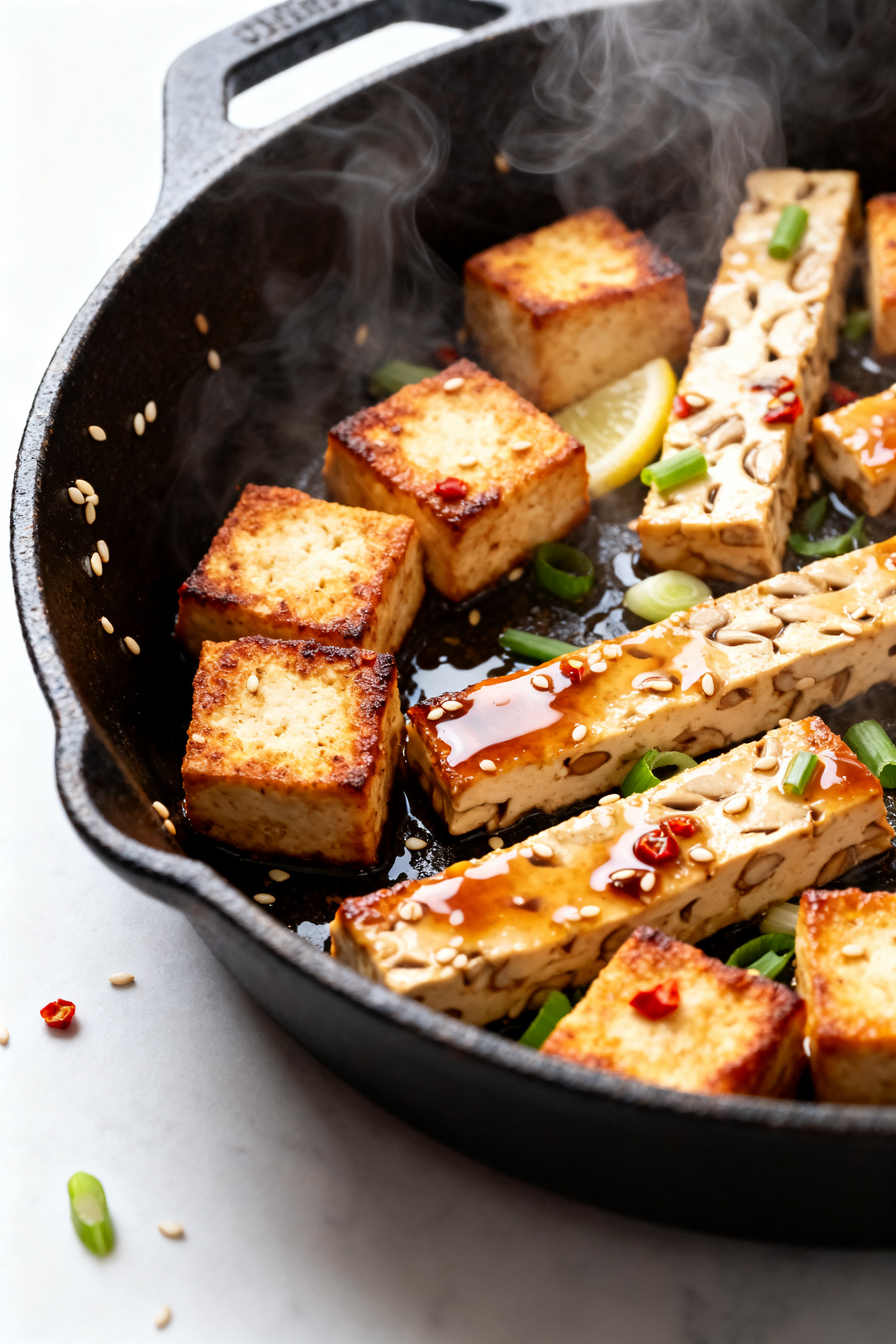
- Tofu/tempeh: Press, cube, and pan-sear until golden; add sauce last.
- Lentils: Simmer with garlic and bay leaf until tender; season after cooking.
- Beans: Rinse canned; warm with spices and a splash of broth.
- Eggs: Hard-boil for grab-and-go protein or make a veggie scramble.
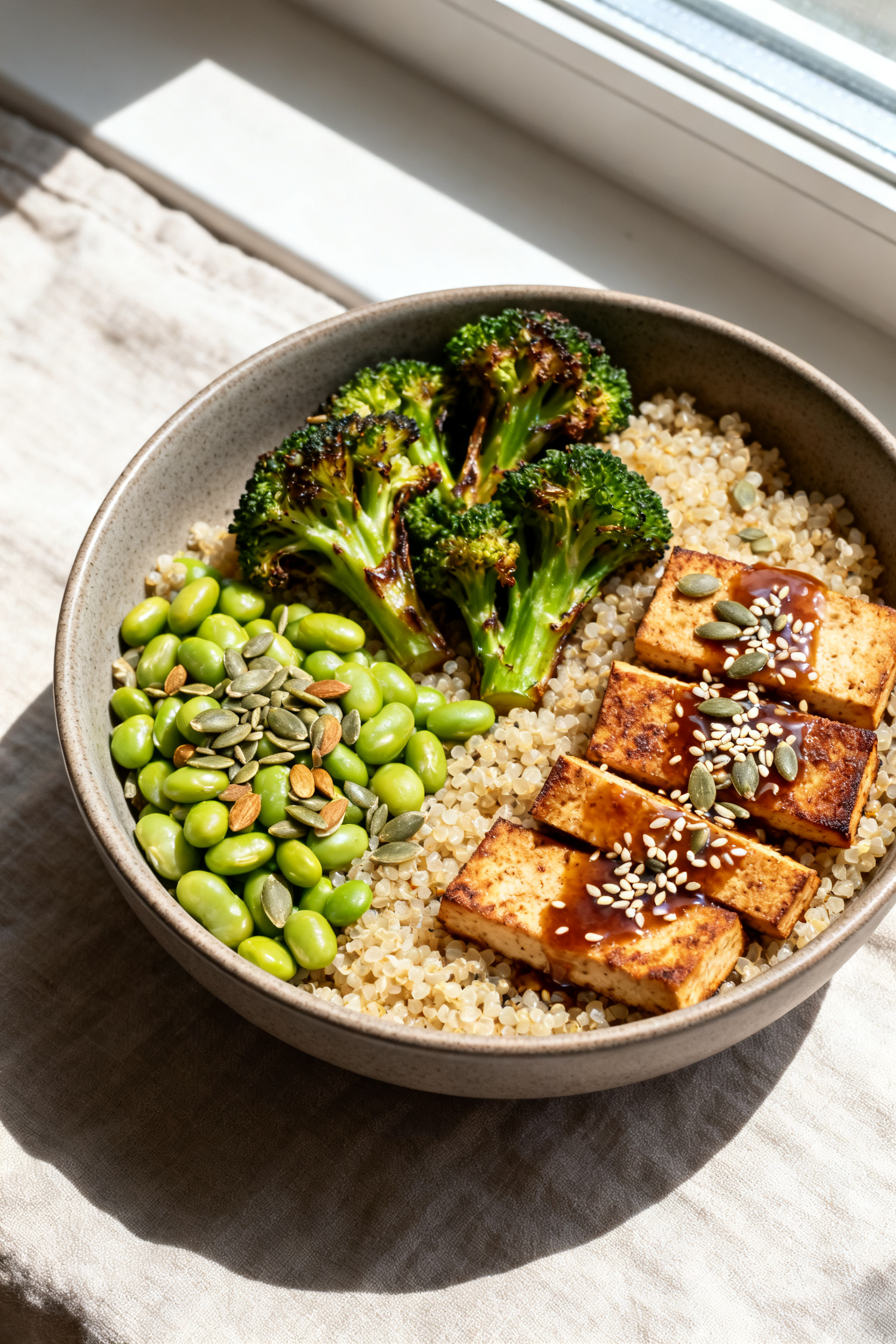
- Build balanced bowls: Example: quinoa + roasted broccoli + baked tofu + sesame-soy drizzle + hemp seeds. Keep portions balanced: half veggies, a quarter protein, a quarter grains.
- Quick high-protein snacks: Greek yogurt with chia and pumpkin seeds; cottage cheese with cherry tomatoes; edamame with sea salt; a smoothie with soy milk, peanut butter, and chia.
- Batch and store: Cook grains and legumes in bulk. Roast a tray of veggies.Prep a sauce. This makes fast, high-protein meals all week.
- Track your totals: Glance at labels and estimate portions. A simple target: 20–30 g per main meal, 10–15 g per snack.
Keeping It Fresh
- Fridge: Cooked grains and legumes keep 3–4 days in airtight containers.Tofu/tempeh lasts 3–5 days after cooking.
- Freezer: Portion cooked beans, lentils, and quinoa into freezer bags for up to 3 months. Frozen edamame and peas are weeknight heroes.
- Prep sauces: Soy-ginger, lemon-tahini, or yogurt-herb sauces keep 4–5 days and instantly level up meals.
- Crisp factor: Reheat tofu and seitan in a lightly oiled skillet or air fryer to bring back the crunch.
Benefits of This Recipe
- High protein without meat: Each option contributes meaningfully to daily protein needs.
- Complete amino acid coverage: Pair legumes with grains or include soy/dairy/eggs for full profiles.
- Fiber-rich: Beans, lentils, and seeds help with fullness and digestion.
- Budget-friendly: Dried beans, lentils, and tofu give excellent protein per dollar.
- Flexible for any palate: Neutral bases that take on bold flavors from your spice rack.
Pitfalls to Watch Out For
- Under-seasoning: Plant proteins shine with good marinades, acids, and spices.
- Not pressing tofu: Skipping this step can lead to soggy texture. Press 10–20 minutes.
- Relying on carbs alone: Add a defined protein portion to every meal to hit your goals.
- Ignoring iron and B12: Legumes and seeds offer iron; pair with vitamin C foods.Consider B12-fortified foods or a supplement if fully vegetarian.
- Overdoing nuts/seeds: Nutrient-dense but calorie-dense. Measure portions if tracking intake.
Variations You Can Try
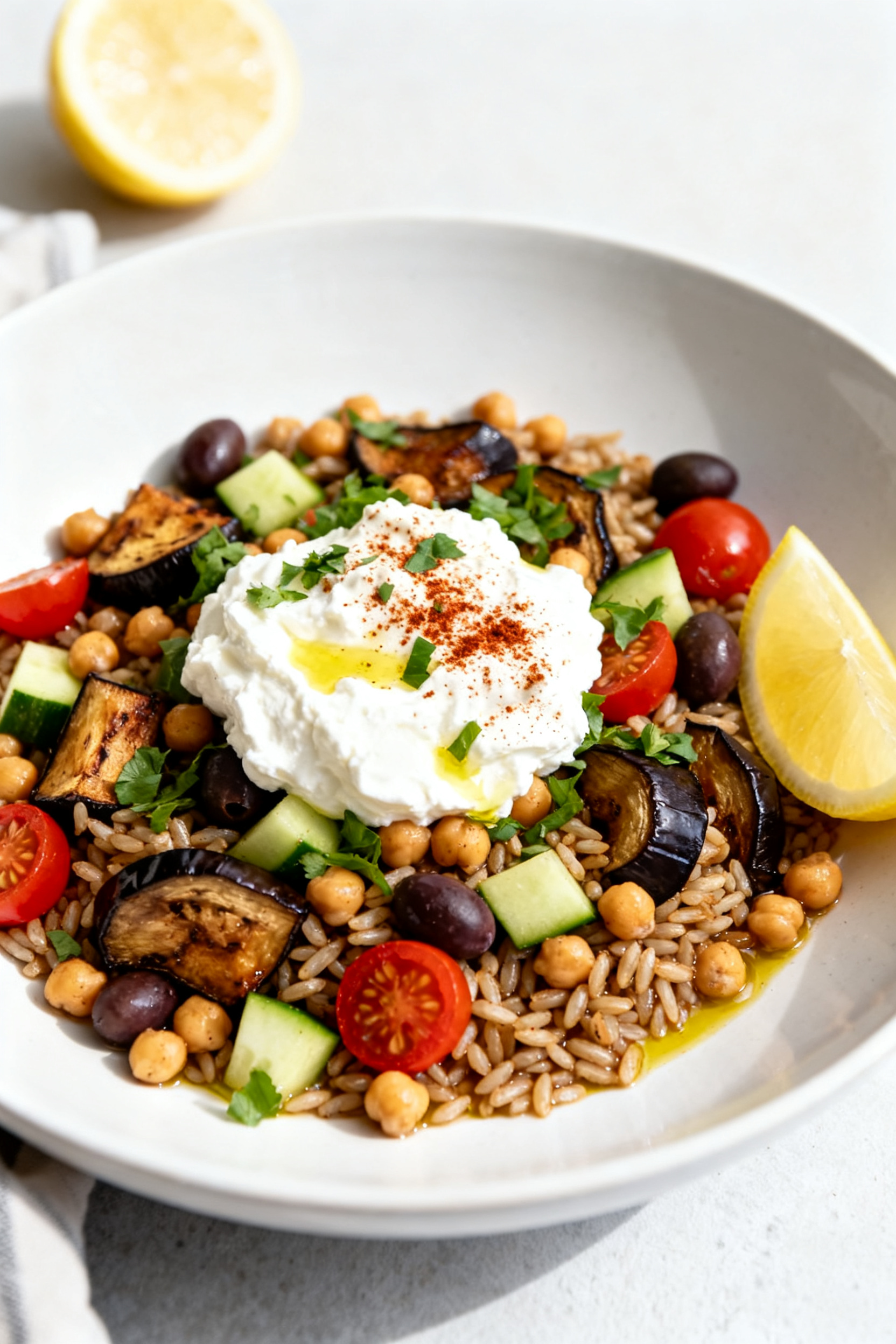
- Mediterranean bowl: Farro, chickpeas, roasted eggplant, tomatoes, cucumber, olives, lemon-olive oil, and a dollop of Greek yogurt.
- Spicy tofu stir-fry: Extra-firm tofu, broccoli, bell peppers, edamame, chili-garlic sauce, and tamari over quinoa.
- Lentil taco filling: Season cooked lentils with cumin, paprika, and garlic; serve with tortillas, salsa, and avocado.
- Breakfast power: Cottage cheese with berries, chia, and pumpkin seeds, or an egg-and-spinach scramble with feta.
- Hearty soup: Tomato-lentil or black bean soup topped with nutritional yeast and a side of toasted barley.
- Seitan fajitas: Sauté with onions and peppers; finish with lime and fresh cilantro.
FAQ
What are the 18 best high-protein vegetarian foods?
Tofu, tempeh, edamame, lentils, chickpeas, black beans, green peas, quinoa, farro, barley, Greek yogurt, cottage cheese, eggs, seitan, nutritional yeast, peanut butter, hemp seeds, chia seeds, and pumpkin seeds.
How much protein should I aim for per meal?
A practical target is 20–30 grams per main meal and 10–15 grams per snack. Adjust based on your body size, activity level, and goals.
Do I need complete proteins at every meal?
No.
As long as you eat a variety of protein sources across the day, you’ll cover your amino acid needs. Still, pairing legumes with grains or using soy/dairy/eggs can provide complete profiles in a single meal.
What’s the quickest high-protein vegetarian meal?
Microwave frozen edamame, toss with soy sauce and chili oil, and serve over leftover quinoa with a fried egg or baked tofu. Five to ten minutes, high protein, and satisfying.
Are plant-based yogurts high in protein?
Some are.
Look for soy or pea protein yogurts with at least 10–15 grams per serving. Check the label, as many almond or coconut yogurts are lower in protein.
What if I’m gluten-free?
Skip seitan and barley/farro. Choose quinoa, brown rice, buckwheat, lentils, beans, tofu, tempeh (check labels), edamame, and seeds.
How can I boost protein in salads?
Add a cup of chickpeas or lentils, a slab of crispy tofu or tempeh, sprinkle hemp and pumpkin seeds, and whisk a yogurt-based dressing for extra protein.
Is soy safe?
For most people, soy foods like tofu, tempeh, and edamame are safe and nutritious.
If you have a soy allergy or specific medical guidance, choose non-soy proteins like beans, lentils, eggs, and dairy.
How do I make tofu taste good?
Press it, cut into slabs or cubes, sear in a hot pan until golden, then add a bold sauce (soy, garlic, ginger, a touch of maple, and rice vinegar). Finish with sesame oil and scallions.
What are good on-the-go options?
Roasted chickpeas, edamame packs, Greek yogurt cups, cottage cheese, protein-rich smoothies, or nut/seed packs with a piece of fruit.
Wrapping Up
Hitting protein goals on a vegetarian diet is absolutely doable with the right staples. Mix and match these 18 foods, season them well, and keep a few prepped items in your fridge or freezer.
With a simple plan, you’ll build satisfying, high-protein meals that fit your lifestyle—and actually taste great.