Cheap High Protein Foods on a Budget: 22 Affordable Healthy Options That Actually Taste Good – Simple, Wallet-Friendly Picks
Protein doesn’t have to be expensive or boring. You can build satisfying, tasty meals without draining your budget or spending hours in the kitchen. The trick is knowing which ingredients give you the most protein per dollar and how to make them taste great.
Below is a simple guide to 22 affordable high-protein foods, plus easy ways to use them, store them, and avoid common mistakes. Let’s make eating well feel simple—and doable.
What Makes This Special
Budget-friendly and filling: These foods keep you full and energized without high grocery bills.
Flexible for any diet: You’ll find options for meat-eaters, vegetarians, and plant-based eaters.
Easy to cook: Most options are quick to prepare, great for batch-cooking, and require basic tools.
Actually tasty: With a few spices and simple methods, these foods go from plain to crave-worthy.
Shopping List
- Eggs (whole or a mix of whole and whites)
- Canned tuna (in water), canned salmon, or sardines
- Chicken thighs or drumsticks
- Ground turkey or lean beef (watch for sales)
- Greek yogurt (plain, 2% or nonfat)
- Cottage cheese
- Milk or soy milk (fortified; soy has the most protein)
- Tofu (firm or extra firm)
- Tempeh
- Dry lentils
- Dry beans (black beans, chickpeas, pinto, navy)
- Canned beans (for convenience)
- Peanut butter or other nut butters
- Edamame (frozen)
- Frozen peas
- Oats
- Canned chicken (great for quick meals)
- Canned mackerel
- Seitan (if available and affordable in your area)
- Sunflower seeds or pumpkin seeds
- Cheese (mozzarella, cheddar, or string cheese)
- Protein powder (whey or soy; optional but cost-effective per serving when on sale)
Instructions
- Plan 3–4 anchor proteins per week. Pick a couple of meats or fish, and a couple of plant-based options. This keeps costs and food waste down.
- Batch-cook smart. Make a pot of lentils or beans on Sunday, roast chicken thighs, and cook a block of tofu.Use them across bowls, wraps, and salads.
- Use high-flavor, low-cost seasonings. Stock salt, pepper, garlic powder, paprika, cumin, soy sauce, chili flakes, lemon juice, and vinegar. They transform simple proteins.
- Lean on canned goods. Canned tuna, salmon, beans, and chicken are fast, protein-dense, and budget-friendly. Rinse canned beans to reduce sodium.
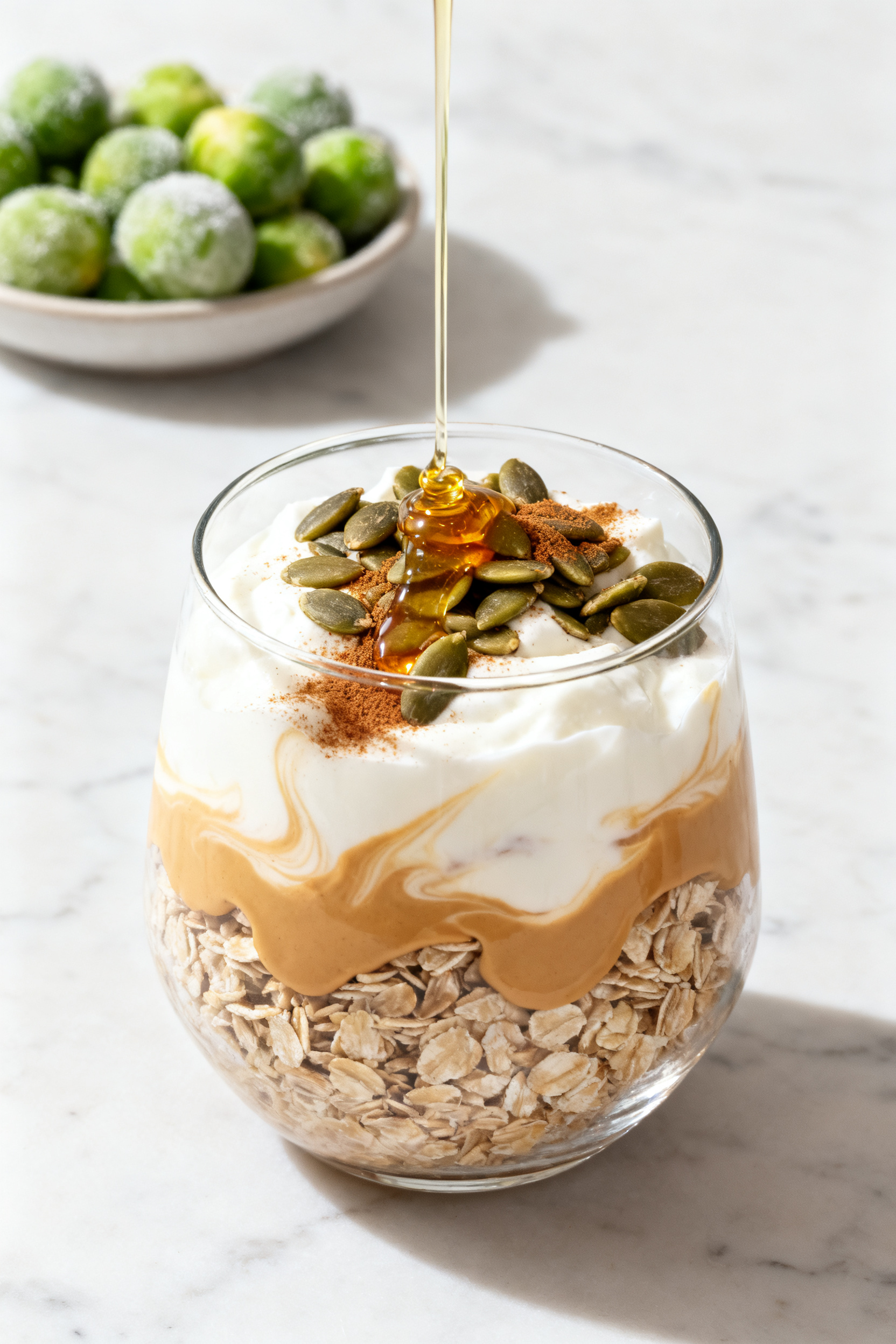
- Make quick protein breakfasts. Scramble eggs with frozen peas, stir Greek yogurt with oats and peanut butter, or blend milk with protein powder and banana.
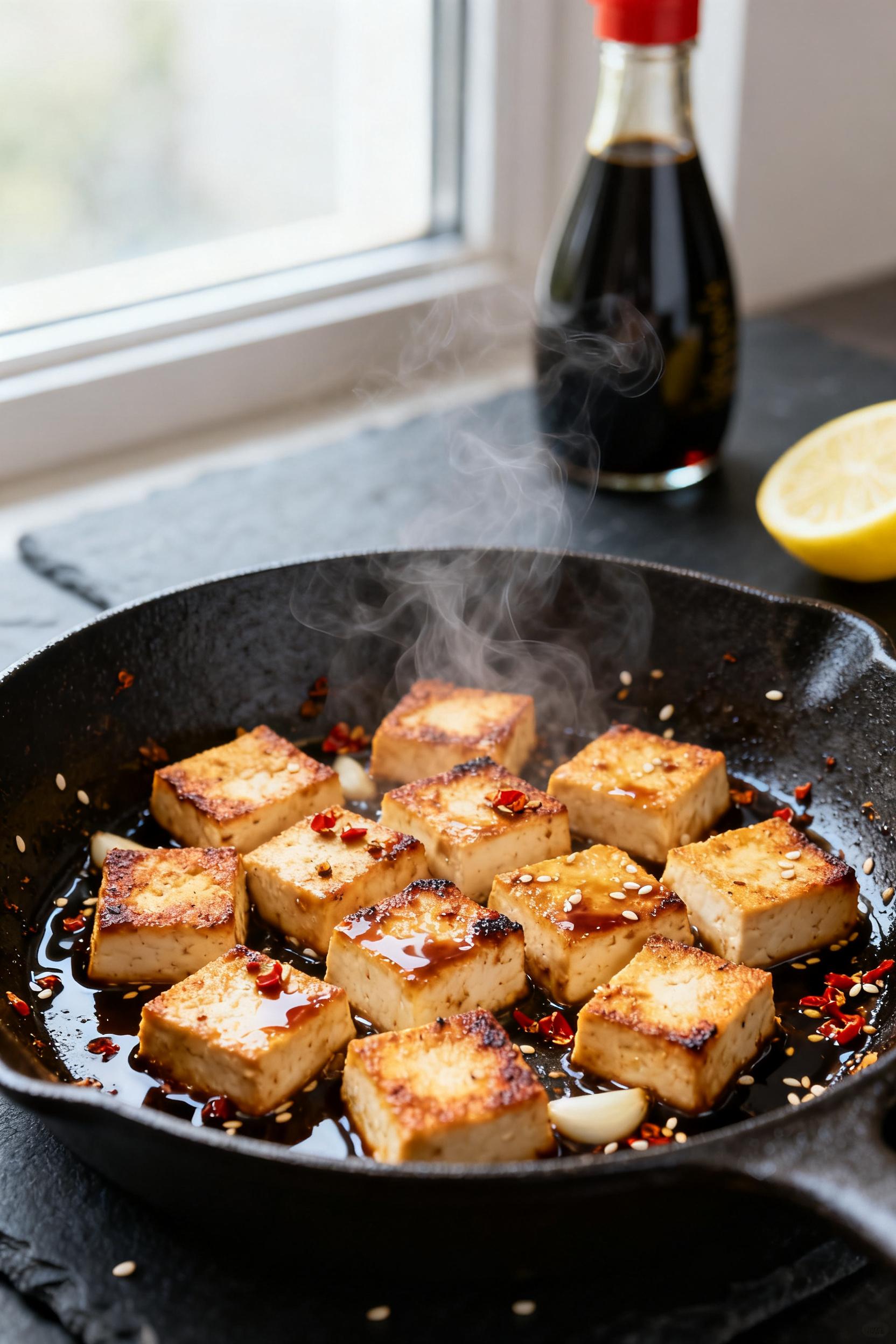
- Marinate tofu or tempeh. Press tofu, then marinate in soy sauce, a little oil, garlic, and vinegar.Pan-sear until golden for a crisp, tasty protein.
- Stretch meat with plants. Add lentils or beans to ground turkey or beef for tacos, chilis, or pasta sauces. More protein, less cost, same comfort.
- Make snack packs. Portion cottage cheese, Greek yogurt, or edamame into containers. Add seeds or a drizzle of honey for flavor.
- Use eggs often. Hard-boil a dozen for grab-and-go snacks, add to salads, or turn into quick fried rice with leftover veggies.
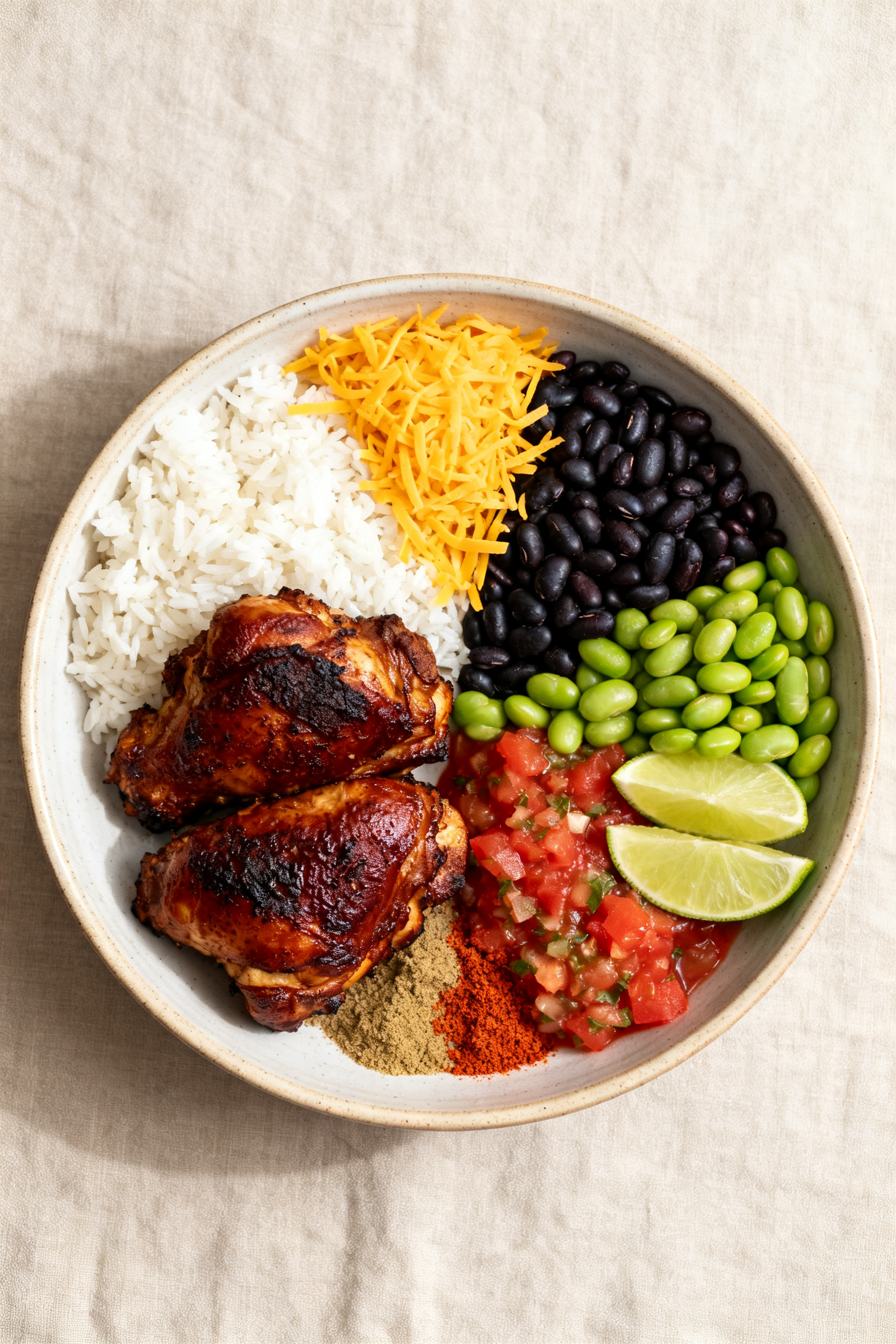
- Keep it simple. A bowl with rice, beans, chicken or tofu, salsa, and cheese hits protein goals without fuss.
How to Store
- Cooked meats, tofu, and beans: Refrigerate in airtight containers for 3–4 days.Freeze in meal portions for up to 3 months.
- Greek yogurt and cottage cheese: Keep sealed and cold. Once opened, use within 5–7 days.
- Eggs: Store in the carton in the fridge. Hard-boiled eggs last about a week.
- Dry lentils and beans: Keep in sealed jars or bags in a cool, dry place for up to a year.
- Canned goods: Store in a cool pantry.After opening, transfer leftovers to a container and refrigerate for 3–4 days.
- Seeds and nuts: Keep in sealed bags; refrigerate or freeze for longer freshness.
Health Benefits
- Protein supports muscle and metabolism. It helps maintain muscle, especially during weight loss, and keeps you fuller longer.
- Balanced blood sugar. Pairing protein with carbs can reduce energy crashes and curb cravings.
- Nutrient density. Options like canned fish offer omega-3s; beans and lentils add fiber and minerals; dairy provides calcium.
- Heart-friendly choices. Plant proteins, fish, and lower-fat dairy can support heart health when paired with veggies and whole grains.
Pitfalls to Watch Out For
- Sneaky sodium. Canned foods can be salty. Choose low-sodium versions or rinse under water.
- Heavy sauces. Mayo-heavy salads or sugary marinades can add calories fast. Use Greek yogurt, mustard, lemon, or salsa instead.
- Overbuying perishable items. Greek yogurt, cottage cheese, and tofu go bad quickly.Buy what you can finish or freeze extras where possible.
- Ignoring texture and seasoning. Plain tofu or beans can taste bland. Press tofu, roast beans for crunch, and season generously.
- Only choosing lean cuts. Slightly fattier cuts like chicken thighs are cheaper and more forgiving to cook, and still a great protein source.
Alternatives
- No dairy? Use soy milk, tofu, tempeh, edamame, and beans. Soy yogurt can stand in for Greek yogurt in sauces and dips.
- No meat? Build meals around lentils, beans, tofu, tempeh, seitan, edamame, and seeds.Combine with whole grains for complete nutrition.
- Gluten-free? Skip seitan. Focus on rice, oats (certified GF), quinoa, potatoes, and all the bean/soy options.
- Fish on a budget? Choose canned tuna, mackerel, or sardines. They’re cheaper than fresh and packed with protein and omega-3s.
- Nut-free? Swap peanut butter for sunflower seed butter; use pumpkin or sunflower seeds for crunch and protein.
FAQ
What are the 22 affordable high-protein foods?
Eggs, canned tuna, canned salmon, sardines, chicken thighs, drumsticks, ground turkey, lean beef, Greek yogurt, cottage cheese, milk, soy milk, tofu, tempeh, lentils, dry beans, canned beans, edamame, frozen peas, canned chicken, canned mackerel, seitan, sunflower or pumpkin seeds, cheese, and protein powder.
Pick what fits your diet and budget.
How much protein should I aim for each day?
A simple target for many adults is around 0.7–1.0 grams of protein per pound of goal body weight if you’re active and want to build or maintain muscle. If that feels high, start by adding protein to each meal and snack, and adjust based on energy and fullness.
What’s the cheapest high-protein food overall?
Eggs, dry lentils, and dry beans usually offer the best protein per dollar. Canned tuna and chicken thighs are also strong budget picks.
How do I make tofu taste good?
Press it, cut into cubes, marinate with soy sauce, garlic, a little oil, and vinegar or citrus.
Pan-sear until golden or bake at 425°F (220°C) for 20–25 minutes. Toss with a sauce you love—teriyaki, peanut, or buffalo.
Is Greek yogurt better than regular yogurt for protein?
Yes. Greek yogurt is strained, so it’s thicker and higher in protein per serving.
Choose plain and add fruit, cinnamon, or a drizzle of honey to control sugar.
What are good high-protein snacks?
Greek yogurt with seeds, cottage cheese with pineapple, hard-boiled eggs, edamame, string cheese, tuna on whole-grain crackers, or a small protein shake with milk.
Can I get enough protein without meat?
Absolutely. Build your meals with tofu, tempeh, lentils, beans, edamame, seitan (if you eat gluten), soy milk, seeds, and whole grains. Season well and vary textures to keep it satisfying.
How do I store cooked beans and lentils?
Cool them quickly, then refrigerate in airtight containers for up to 4 days or freeze in portions for up to 3 months.
Label with the date so you actually use them.
What’s a quick high-protein dinner idea?
Bean and rice bowl with salsa, cheese, and avocado; tuna melt on whole-grain bread; stir-fried tofu with frozen veggies and soy sauce; or roasted chicken thighs with potatoes and peas.
Do I need protein powder?
No. It’s optional and convenient, especially post-workout or when time is tight. If you use it, buy in bulk or on sale and stick to simple ingredient lists.
In Conclusion
Eating high protein on a budget is completely doable with a short, reliable list of staples and a few go-to cooking tricks.
Focus on eggs, beans, lentils, tofu, Greek yogurt, canned fish, and affordable cuts of meat. Season boldly, batch-cook, and keep quick snacks on hand. Your meals will be filling, tasty, and easy on your wallet—without feeling like you’re sacrificing a thing.